


Few things in fragrance unsettle people quite like this. You buy a new bottle of a perfume you have worn for years, same name, same glass, same box, and something is different. The opening is thinner, perhaps, or the warmth you loved arrives later and leaves sooner. If you have ever asked why perfumes get reformulated, and why yours smells different from before, the honest answer is that a perfume's formula is not fixed for ever. Most long lived fragrances are adjusted at some point in their lives, sometimes several times, usually quietly. Reformulation is one of the industry's most routine practices and one of its least discussed.
What reformulation actually means
A reformulation is a change to a perfume's formula made while keeping its name, bottle and identity. It can be tiny, one material out of several hundred replaced with something close to it, or substantial, with whole accords rebuilt. The intention is almost always continuity: the aim is a new formula that smells as much like the old one as possible, which is why the work is usually done by the original perfumer or by the team that now looks after the formula.
That aim matters. Rebuilding a familiar scent without a key material is one of the most technically demanding briefs in perfumery, a little like restoring a painting when one of the original pigments no longer exists. Because every material in a formula interacts with the others, replacing one usually means rebalancing several more. Sometimes the match is so close that very few people could tell. Sometimes, with a material that has no true substitute, it cannot be done perfectly, and the opening, the drydown, how long the scent lasts or how far it travels shifts a little. Occasionally a house decides that no faithful version is possible and discontinues the fragrance instead. The perfumer's toolkit does keep growing, though: each generation of new molecules gives the people doing this work better means of rebuilding what was lost.
The rules change, and perfume follows
The most common reason for reformulation is regulation. Fragrance materials are subject to two layers of control. The International Fragrance Association, known as IFRA, publishes standards that its members follow worldwide, setting maximum levels for hundreds of materials and banning some outright; these standards are revised through regular amendments as new safety evidence emerges. On top of that sits law, in the UK and the European Union chiefly the cosmetics regulations, which restrict certain substances and require the most common fragrance allergens to be named on the label above set levels. In the EU that list of named allergens has recently grown from 26 to more than 80, and changes of that kind ripple through formulas, packaging and labels alike.
When a limit falls or a material is withdrawn, every perfume that used it must change. Oakmoss, the dark, damp, forest floor heart of classic chypres, was heavily restricted after it was identified as a skin sensitiser; perfumers now use specially treated versions with the problem components removed. Two of the most widely used lily of the valley materials, once found in countless fragrances, were banned from cosmetics in the UK and EU in the early 2020s. Each of those changes sent perfumers back to formulas that had been unchanged for decades.
At a glance
- Regulation: new safety standards and laws limit or ban materials
- Nature: harvests, climate and supply change what natural materials are available
- Ethics and sustainability: animal materials and endangered plants replaced
- Commercial decisions: production, suppliers or a deliberate modernisation
Most reformulations aim to preserve the original smell, and many are close to undetectable.
Nature does not keep a formula
Natural materials change from year to year, and no regulation is needed for that to affect a perfume. A rose absolute depends on the weather of one spring in one valley; patchouli, vetiver and citrus oils vary with rainfall, soil and harvest. Perfumers manage ordinary variation by blending lots and adjusting batches against a reference sample, so most drift never reaches the customer. But some materials become scarce or effectively disappear. Sandalwood from India's Mysore region, once the benchmark, was overharvested to the point that its trade was tightly restricted, and fragrances built around it had to find their creaminess elsewhere.
Ethics and sustainability play a part too. Musk, civet, castoreum and ambergris of animal origin have long since been replaced in mainstream perfumery by synthetic equivalents, and endangered woods are increasingly avoided. Few people would want those changes reversed, even when the new version smells subtly different. The relationship between naturals and modern materials is explored more fully in Naturals, Isolates, and Modern Molecules.

The commercial reasons, told fairly
Not every reformulation is forced. Suppliers discontinue materials, production moves to a new facility, a fragrance passes to new owners, or a house decides that a decades old composition needs gentle modernising for current taste. Commercial pressure is part of the picture as well, and it would be dishonest to pretend otherwise: in an industry of many thousands of formulas, decisions are not always made for purely artistic reasons. It would be equally unfair to assume it is the reason for every change. Most reformulations that customers notice trace back to a regulatory limit or a material that simply cannot be bought any more.
Is it the perfume, or is it you?
Here is the part that is rarely admitted on either side of the argument. When someone compares a new bottle with an old one, both sides of the comparison have usually changed. The new bottle may well be a different formula. But an older bottle that has been opened and kept for years has also aged: its brightest top notes have oxidised, its base has often deepened and darkened, and it no longer smells quite as it did when it was new. Collectors prizing a vintage bottle are frequently comparing a reformulation with an aged original rather than with the original as it once was. Older formulations do linger, in stockrooms, collections and resale listings, for years after a change, but every one of them carries that same uncertainty: it is the old formula plus however many years of light, heat and air it has met since.
The wearer changes too. Skin alters with age, climate, diet and medication, as described in Skin Chemistry and Scent. A scent worn every day becomes harder to perceive, a process explained in The Nose That Stops Noticing. And a bottle stored in a warm, bright bathroom will have changed faster than one kept cool and dark. None of this means reformulations are imagined. It means the honest answer to "has it changed?" is very often "yes, and so has everything you are comparing it with".
How to tell if a perfume has been reformulated
There is no legal requirement to announce a reformulation, and most are never announced. A few clues help. The ingredient list on the box can change, particularly the named allergens near its end, so comparing an old box with a new one sometimes reveals a difference. Batch codes, printed or etched on the base of a bottle or box, record when a perfume was made, and enthusiasts use them to date bottles. Small changes to the bottle, cap, box or printing sometimes coincide with a change of production, though not always with a change of formula. Smelling the two side by side, on skin rather than paper and on the same day, is more reliable than memory, which tends to exaggerate small differences. And if a fragrance seems different from a fresh, well stored bottle bought from a reliable source, it is reasonable to ask the house directly.
The version you remember is safe
When a beloved fragrance changes, it can feel like a small loss, because what we love in a perfume is rarely only its formula. It is the person who wore it, the year we discovered it, the version of ourselves it belonged to. That is exactly the part no reformulation can reach. Memory keeps the original more faithfully than any archive, which is why a single breath of an old bottle can still undo you. A perfume can change its formula. It cannot change what it has already meant.

Why any of this matters
Understanding reformulation turns a quiet disappointment into something easier to live with, and sometimes into a new beginning. A perfume is not a museum object sealed at the moment of its creation. It is a living composition, looked after by people trying to keep it recognisable in a world of changing rules, harvests and skin. Some versions will suit you better than others. When one no longer does, the search for what comes next is not a betrayal of the scent you loved. It is how a new memory begins.
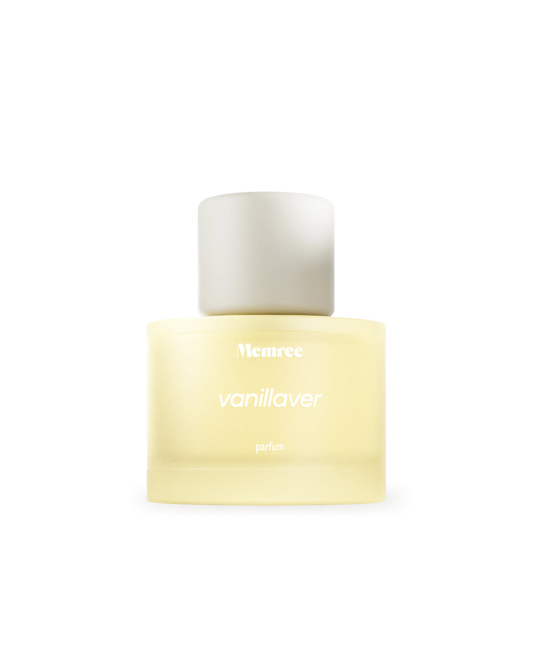
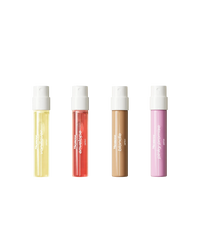
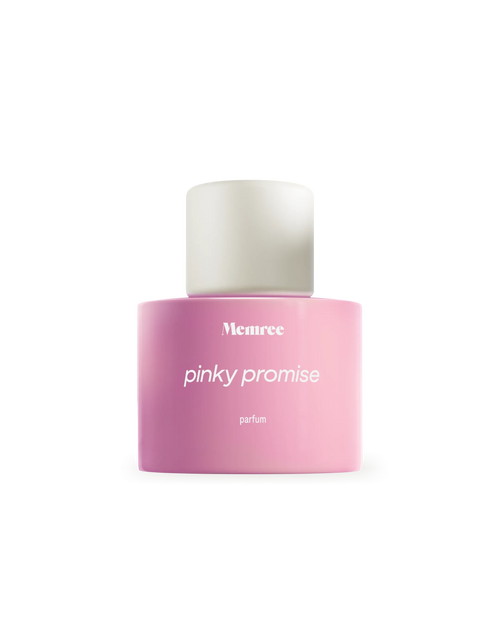
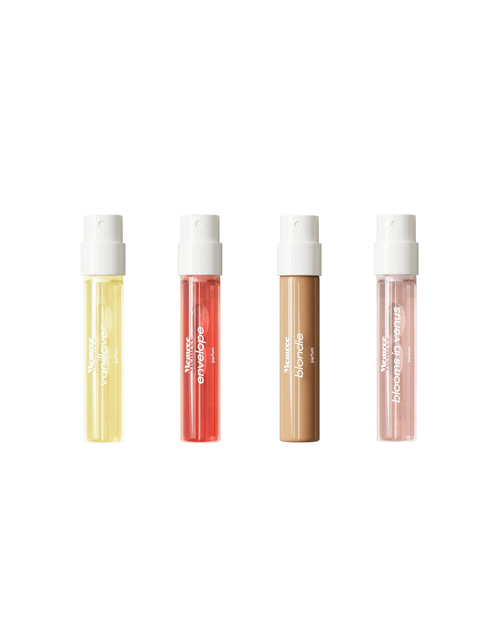
A note from Memree: we compose our parfums at extrait strength, 28 to 33 per cent perfume oil, a concentration we set individually for each scent, where it holds its depth and carries through the day. The honest way to know a fragrance is a day on your own skin. It's why every Memree journey starts with a discovery set: four scents, worn properly, before you commit to a bottle.
A few common questions
Why does my perfume smell different from before?
It may have been reformulated, but other explanations are just as common: the old bottle has aged, the new one has been stored differently, your skin has changed, or your nose has adapted to a scent you wear often. Comparing two bottles side by side, on skin, is the most reliable test.
Do perfume brands have to say when they reformulate?
No. There is no requirement to announce a reformulation, and most are made quietly. The ingredient list on the box must stay accurate, so changes to the listed allergens can sometimes reveal one.
What is IFRA?
The International Fragrance Association sets the industry's safety standards for fragrance materials, limiting how much of each may be used and banning some altogether. Its standards are updated through periodic amendments, which are one of the main reasons perfumes are reformulated.
Are reformulated perfumes always worse?
No. Many reformulations are close to undetectable, and some are judged improvements. They are noticed most when a central material has no true substitute, which is why some fragrance families, classic chypres especially, have changed more than others.
How can I check when my perfume was made?
Look for the batch code printed or etched on the base of the bottle or the box. Online batch code checkers can often translate it into a production date, though the systems differ between houses.