


A perfume is a living chemical composition in a sealed glass container, and it begins changing from the day it is filled. Some of that change is intended. Most of what happens afterwards depends entirely on where the bottle has been kept. If you have ever wondered how should you store perfume? the short answer is that three things degrade a fragrance faster than time alone does, and all three are avoidable.
The three enemies, and what each one does
Light, heat and air are what a perfume needs protecting from. They are not equally dangerous, they do not act at the same speed, and they damage a composition in different ways, which is why understanding them individually is more useful than a general instruction to keep a bottle somewhere sensible.
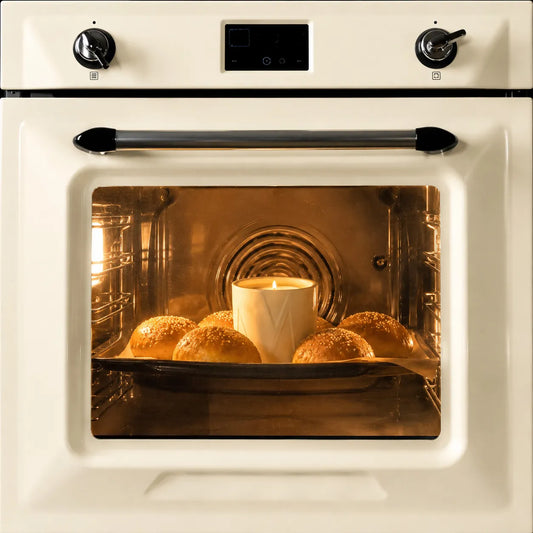
Light is the fastest. Ultraviolet radiation carries enough energy to break apart the molecular bonds that hold aromatic materials together, and the delicate ones go first. Heat is the accelerant, speeding up every chemical reaction already under way inside the bottle, including the ones you would rather proceeded slowly or not at all. Air is the patient one, working over months rather than days, oxidising the composition from the inside in a way that cannot be reversed once it has begun.
At a glance
- Light: breaks molecular bonds directly, and works fastest of the three
- Heat: accelerates every reaction inside the bottle, with fluctuation more damaging than steady warmth
- Air: oxidises the composition slowly, and the effect grows as the bottle empties
A closed drawer in a room of stable temperature satisfies all three at once, which is why it beats every specialist solution.
What light actually does to a fragrance
Photodegradation is not a slow fading. It is a set of specific reactions in which light energy splits molecules apart and allows the fragments to recombine into compounds the perfumer never composed. The results are audible, so to speak: a citrus opening turns sharp and faintly metallic, a floral heart flattens, and the whole composition loses the lift it had when it was new.
Natural materials are the most vulnerable, particularly the cold pressed citrus oils and the more fragile florals, which is part of why the brightest, most beautiful elements of a composition are also the first to be lost, a fragility explained more fully in Naturals, Isolates, and Modern Molecules. This is also why so much fine fragrance arrives in tinted or heavy glass, and in a box that seems more substantial than it needs to be. The box is not only presentation. Returning a bottle to it is the single cheapest thing anyone can do for a perfume, and most people throw it away in the first week.
A windowsill is therefore the worst possible display position, however well a bottle catches the light there. So is a dressing table facing a bright window, and so is a bathroom shelf under a downlight left on for an hour each morning.

Heat, and why fluctuation is worse than warmth
Chemical reactions run faster as temperature rises, and a perfume is a solution of dozens or hundreds of reactive materials suspended in alcohol. Kept consistently warm, a fragrance will age noticeably faster than an identical bottle kept consistently cool. That much is straightforward.
Less widely understood is that swinging between temperatures is harder on a composition than sitting at a steady, slightly warm one. Every cycle of warming and cooling drives evaporation and recondensation inside the bottle, pushing the most volatile materials into the air space above the liquid and back again, and it stresses the seal at the neck. A bottle kept at a constant eighteen degrees in a bedroom drawer will outlast one that swings between twelve and twenty five degrees twice a day, even though the second one spends much of its time cooler. Consistency is the quality to optimise for, not coldness.
Air, and the thing nobody mentions about a half empty bottle
Here is the part that rarely appears in guidance on this subject. A perfume's exposure to oxygen is not fixed. It grows steadily as you use the bottle.
Every spray removes liquid, and something has to replace the volume. In an atomiser that something is air, drawn in through the mechanism, so the space above the liquid grows with every use. A bottle that is nearly full has very little oxygen in contact with the composition. The same bottle at a quarter full has a great deal, and is oxidising considerably faster than it was when new. This is why a fragrance you have owned for two years and used sparingly can taste of its own age far more than one you bought at the same time and finished quickly, and it quietly inverts the instinct to ration something you love. The last quarter of a bottle is the part most at risk, and the part most likely to be kept the longest.
It is also the strongest practical argument for the atomiser over the older splash bottle or dabber, which admits far more air on every opening and reintroduces whatever is on the skin of the fingertip along with it. If you own something in a splash bottle and intend to keep it for years, decanting a working quantity into a small, well sealed atomiser and leaving the main bottle closed is genuinely the correct approach rather than a fussy one.
Why the bathroom is the worst room in the house
Almost everyone keeps perfume in the bathroom, and it is the one room that manages to deliver all three enemies at once, plus a fourth.
A bathroom swings through the widest daily temperature range of anywhere in a home, heating sharply during a shower and cooling afterwards, sometimes several times a day. It is usually the most brightly lit room relative to its size. And it carries sustained humidity, which is the fourth problem: moisture works its way past the seal over time, and water entering an alcohol based composition alters the balance the perfumer set, in the direction of a duller and shorter lived fragrance. The bottles look beautiful on a bathroom shelf. They are being aged there faster than anywhere else you could put them.

The fridge folklore, told honestly
The advice to refrigerate perfume circulates constantly and it is about half right, which is the most confusing kind of advice to be given.
The half that is right: a steady, cool, dark environment genuinely does slow degradation, and collectors who keep fragrances for decades often do use dedicated cool storage held at a constant low temperature. The half that is wrong is the assumption that an ordinary kitchen fridge provides this. It does not. A food fridge is opened many times a day, so its temperature cycles constantly, which is precisely the fluctuation to be avoided. It carries food aromas, and alcohol based compositions are more willing to take those on than anyone expects. And every time a chilled bottle comes out into a warm room, condensation forms on and around the glass, which over time is the humidity problem again in a different costume.
For a bottle in normal use, a drawer is better than a fridge, and considerably better than a fridge used inconsistently. The refrigerator answer is real only for long term storage in a dedicated unit at a constant temperature, which is a collector's concern rather than a general one.
What goes first, and how to tell
A fragrance that has been stored badly rarely announces itself by smelling bad. It announces itself by losing its opening. The light, volatile materials at the top of the composition, the ones described in Understanding Perfume Notes, are both the most fragile and the first thing you meet, so a degraded bottle tends to smell thinner and sharper for the first ten minutes and then settle into something closer to its old self as the base takes over. The heart and base, built from heavier and more stable materials, are far more durable.
The other signals are visual. A noticeable darkening of the liquid, or a change in clarity, generally means oxidation has moved on. Some darkening is normal in compositions rich in vanilla, resins and ambers, which deepen in colour naturally, so colour alone is not proof of anything. Read it alongside the smell rather than instead of it. And concentration matters here too: the denser, more heavily composed strengths described in Fragrance Concentrations Explained tend to hold up rather better than lighter ones, since there is proportionally more material and less alcohol to carry the change.
What good storage actually looks like
It is unglamorous, and that is the point. A closed drawer or a cupboard in a bedroom, which is typically the most temperature stable room in a house, away from radiators and away from any window. Bottles upright, so the liquid is not resting against the seal. Caps on, because the cap is a second barrier against evaporation that the atomiser alone does not provide. Original boxes kept and used, if they still exist. And the bottle left alone between wearings: shaking a perfume does nothing beneficial and mixes air through the liquid, so it is a habit worth dropping.
None of this requires equipment. A perfume asks for darkness, a steady temperature and a closed cap, and it will reward all three by staying recognisably itself for years rather than months.
Why any of this matters
It is easy to treat a bottle as an object that either works or does not, and storage as housekeeping. It is closer to the truth to say that a fragrance you have worn through a particular season is a record of it, and that the version you first fell for is the version worth keeping intact. A bottle left on a sunlit sill does not simply lose a few hours of wear. It slowly stops being the thing you remember, and there is no way back to it afterwards. A drawer is a small price for keeping something able to return you to where you first wore it.
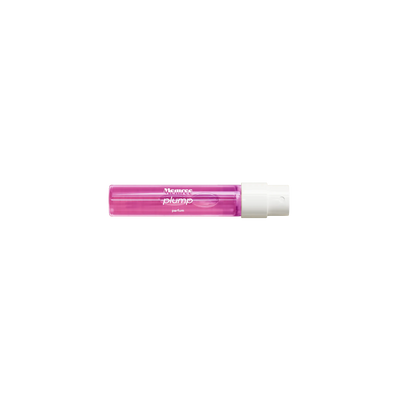
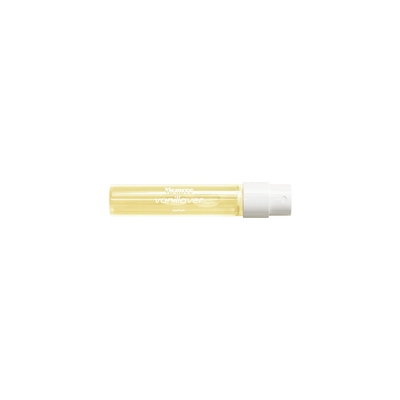
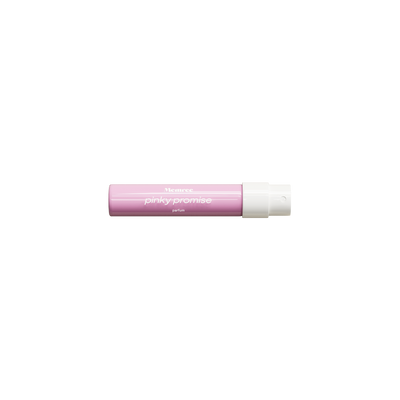
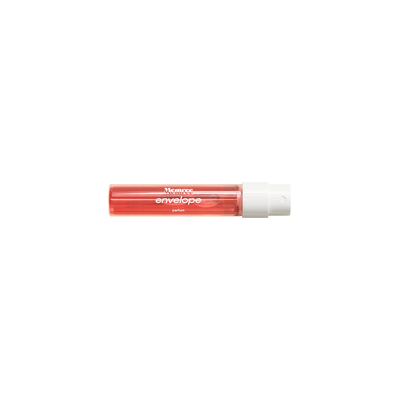
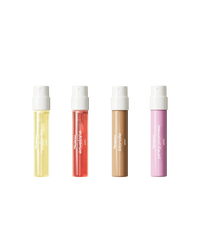
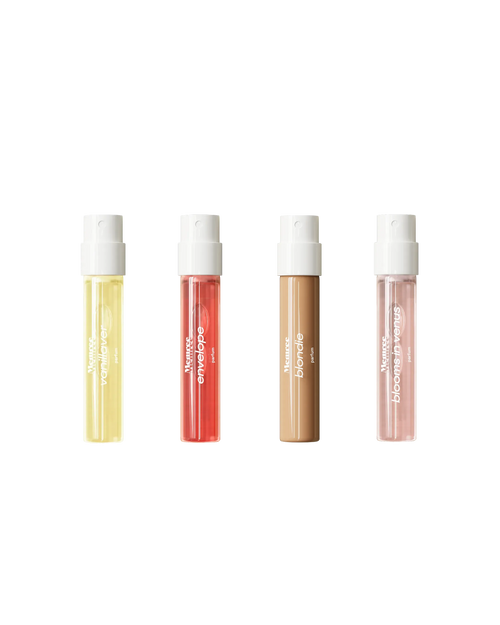
A note from Memree: we compose our parfums at extrait strength, 28 to 33 per cent perfume oil, a concentration we set individually for each scent, where it holds its depth and carries through the day. The honest way to know a fragrance is a day on your own skin. It's why every Memree journey starts with a discovery set: four scents, worn properly, before you commit to a bottle.
A few common questions
Where is the best place to store perfume?
A closed drawer or cupboard in a bedroom, away from windows and radiators. Bedrooms hold the steadiest temperature in most homes, and a drawer removes light entirely. Keep bottles upright with the cap on, and in their original box if you still have it.
Why shouldn't you keep perfume in the bathroom?
Because a bathroom delivers every form of damage at once: the widest daily temperature swings in the house, strong lighting, and sustained humidity that works past the seal over time. It is the most common storage place and the least suitable one.
Should perfume be kept in the fridge?
Not an ordinary kitchen fridge. Steady cool storage does slow degradation, but a food fridge cycles in temperature every time it is opened, carries food aromas, and causes condensation whenever a bottle is brought out. A drawer is the better everyday answer.
Does perfume go off faster once the bottle is half empty?
Yes. Air replaces the liquid you use, so the volume of oxygen in contact with the composition grows as the bottle empties, and oxidation speeds up accordingly. The last quarter of a bottle is the most vulnerable part of its life.
How can you tell if a perfume has degraded?
Listen to the opening rather than the whole. Degraded fragrance usually smells thin or sharp for the first ten minutes and then settles closer to normal, because the light top notes are the most fragile part. Darkening of the liquid can support that reading, though some deepening is natural in richer compositions.