


A door opens somewhere behind you and, without warning, you are eight years old in a kitchen that no longer exists. No photograph does this. No song does it quite so completely. If you have ever wondered why do smells trigger memories? the answer is not sentiment. It is anatomy. Smell is the only one of the senses that reaches the brain's memory and emotion centres without stopping to be processed on the way.
A sense that skips the queue
Sight, sound and touch all take the same route into the brain. Their signals arrive first at the thalamus, a relay station that sorts incoming information and decides where to send it onward. Smell does not. Odour molecules bind to receptors high inside the nose, and those receptors fire directly into the olfactory bulb, which sits within touching distance of two structures: the amygdala, where emotion is generated, and the hippocampus, where memories are formed and filed. The signal arrives at the seat of feeling and recollection before the thinking brain has been consulted at all.
This is why a scent memory feels less like remembering and more like being returned. The emotion arrives first, fully formed, and the explanation catches up afterwards. Researchers comparing odour cues against visual ones have found greater activity in the amygdala for smell, and stronger feeling reported by the people experiencing it. You are not imagining that scent lands harder than a photograph. The wiring is simply shorter.
At a glance
- Sight and sound: routed through the thalamus first, then onward to memory and emotion
- Smell: straight from the olfactory bulb to the amygdala and hippocampus, no relay
- The result: odour memories tend to arrive with more emotion attached, and from further back in life
The phenomenon has a literary name as well as a neurological one. Marcel Proust gave it the madeleine; scientists still call the involuntary rush of recollection the Proust effect.
Why the memories arrive whole
Most remembering is effortful. You reach for a name, assemble a face, work backwards from a date. Odour memory behaves differently. It is overwhelmingly involuntary: you do not decide to recall anything, the scent simply delivers it. And what arrives is rarely a fact. It is a room, a weather, a mood, the particular quality of an afternoon.
That wholeness is a consequence of where the signal lands. Because the hippocampus files the moment while the amygdala is still colouring it emotionally, the two are bound together unusually tightly. The memory is stored with its feeling already attached, which is why it cannot be retrieved neutrally later. You do not remember the kitchen. You are briefly in it.

The window that opens early
Ask people what their scent memories are of, and an unusual number reach back into childhood. This is not nostalgia talking. Memories triggered by cues we can name, such as a word or a photograph, cluster in adolescence and early adulthood. Memories triggered by odours cluster considerably earlier, in the first decade of life.
The likeliest explanation is simple exposure. Childhood is when most smells are met for the first time, and a first encounter is the one the brain bothers to file with care. Every subsequent bonfire, hospital corridor or particular brand of soap is measured against an original laid down before you had the language to describe it. That is also why so many scent memories resist explanation: they were formed before explanation was available.
Why you can rarely name what you are smelling
There is a strange asymmetry to olfaction. You can recognise a scent instantly, feel certain you know it, and still be unable to produce the word. Psychologists call it the tip of the nose state, and unlike a forgotten name, it offers no partial clues: no first letter, no rhyme, nothing to work with.
The reason is structural. The olfactory system's shortcut to emotion and memory comes at the cost of a strong connection to language. Smell knows things it cannot say. This is worth understanding before you try to describe a perfume you love, or feel inadequate for failing to. Naming a scent is a learned skill, and it is genuinely difficult; perfumers spend years building a vocabulary the rest of us were never given.
The part the industry rarely says out loud
Here is the honest complication at the heart of all this. No scent is inherently nostalgic. There is nothing in the molecules of vanilla, fresh linen or cut grass that carries warmth or childhood within it. Those associations are learned, individually, by each person who forms them, and they are shaped by where you grew up and what happened to you there. A note that means summer holidays to one person means a hospital ward to another, and neither is wrong.
This matters because fragrance is very often described as though certain notes possess emotional properties in themselves, and as though a composition could be built to unlock a particular memory in whoever wears it. It cannot. A perfume can be beautiful, evocative and full of intention, and none of that gives it access to a past it was not present for. What a perfume can do is something better, and it is the thing worth understanding.

A perfume does not retrieve a memory. It makes one
If scent associations are learned, then every new fragrance is an empty vessel on the day you first wear it, and the wearing is what fills it. Wear something through a particular autumn and it becomes that autumn. Wear it at a wedding, through a first week in a new city, across the months a child was small, and it quietly takes all of that on.
This is the reframe worth keeping: a perfume is not reminding you of the past. It is busy becoming the past that something will one day remind you of. The bottle on the shelf is not a memory. It is a memory in progress, and you are the one writing it.
It also explains why the scents that move us most are seldom the ones we found most impressive on first meeting. They are the ones that were present. A fragrance worn only for special occasions collects little; one worn ordinarily, on unremarkable days, collects everything.
When the link runs the other way
The same wiring that returns a good afternoon can return a bad one, and just as involuntarily. A scent tied to grief or to a difficult period can arrive without invitation and with the emotion fully intact, which is why some people find they cannot wear a particular fragrance again. That is not fragility. It is the mechanism working exactly as described, and the association can soften with time and new wearing, though it rarely does so on command.
Smell can also be lost, temporarily or otherwise, and people who experience it often describe the absence in emotional rather than practical terms: food becomes uninteresting, but more strikingly, a channel to the past closes. It is a useful reminder of how much quiet work this sense does when it is functioning well enough to be ignored.
The composition underneath it all
None of this happens to a single smell. A perfume is a structure that moves through time, opening with light, volatile materials and settling into heavier ones over hours, a progression set out in Understanding Perfume Notes. The part that tends to lodge in memory is rarely the opening. It is the base, the part that was present longest and that sat closest to skin, shaped along the way by the particular chemistry of the person wearing it, a subject Skin Chemistry and Scent takes further. Two people can wear the same composition through the same year and be carrying two different memories of it.
The trail a fragrance leaves in a room belongs to this too. What other people remember of you is not what you smelled on your own wrist but what stayed behind after you left, the dimension explored in The Art of Sillage.
Why any of this matters
We tend to treat memory as something that happens to us, and scent as decoration. Both are more active than that. Every fragrance worn through an ordinary week is quietly binding itself to that week, and will hand it back years later to a version of you who has forgotten almost everything else about it. Choosing what to wear, and wearing it often enough for it to mean something, is one of the few ways anyone gets to decide in advance what they will be able to return to. That is not a small thing to be able to do.
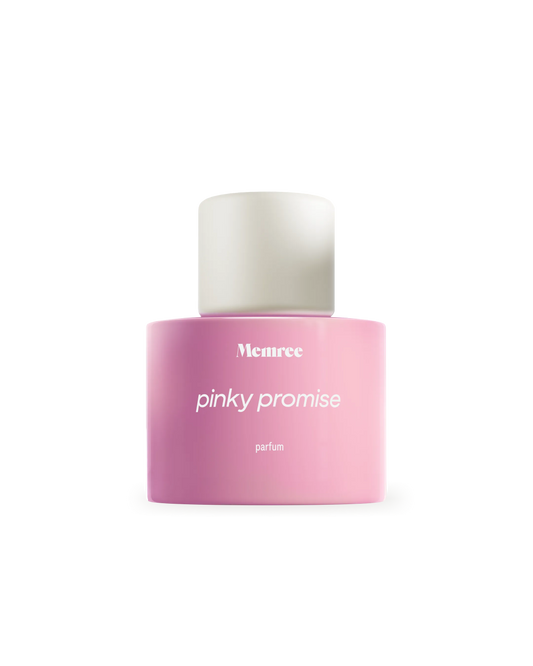
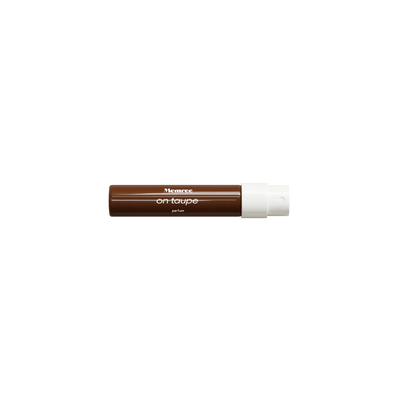
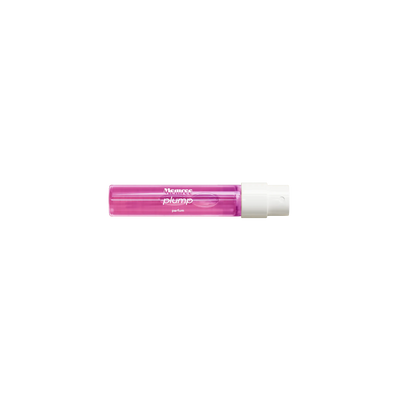
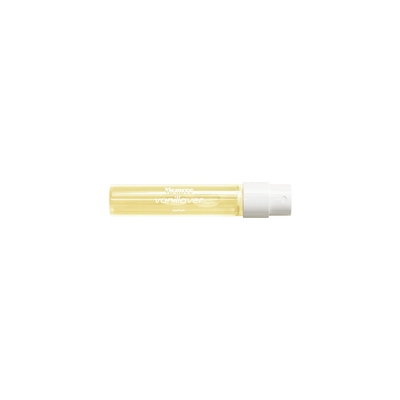
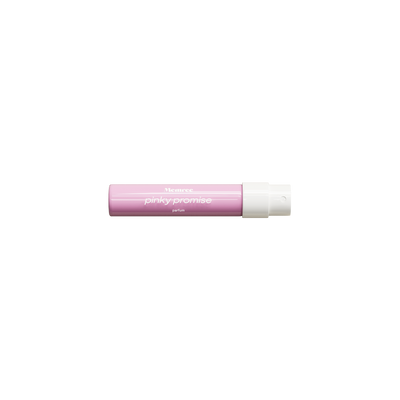
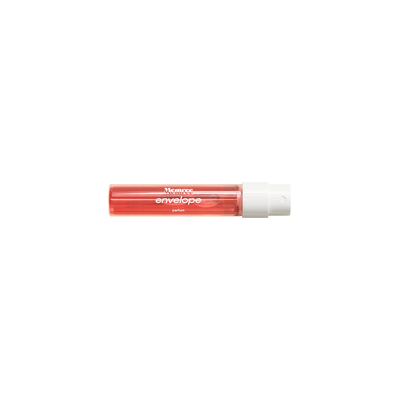
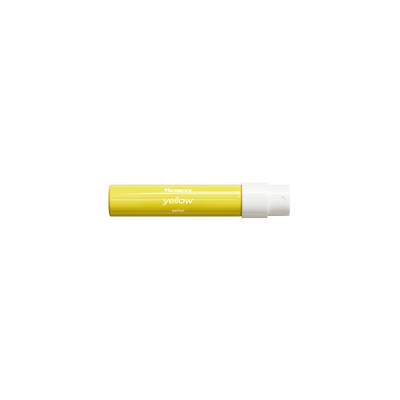
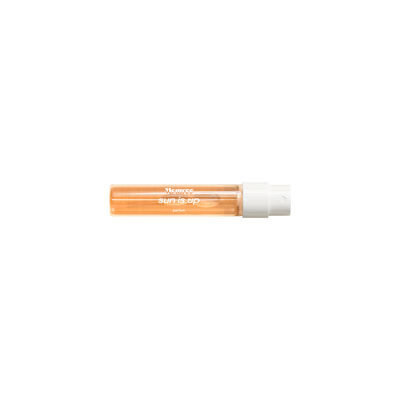
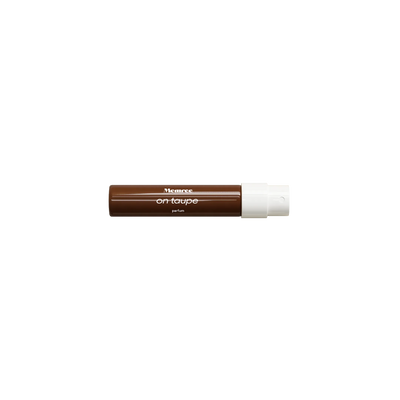
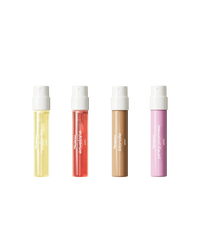
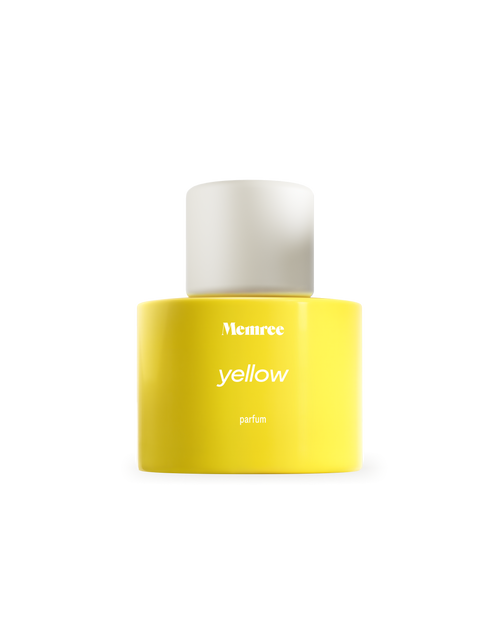
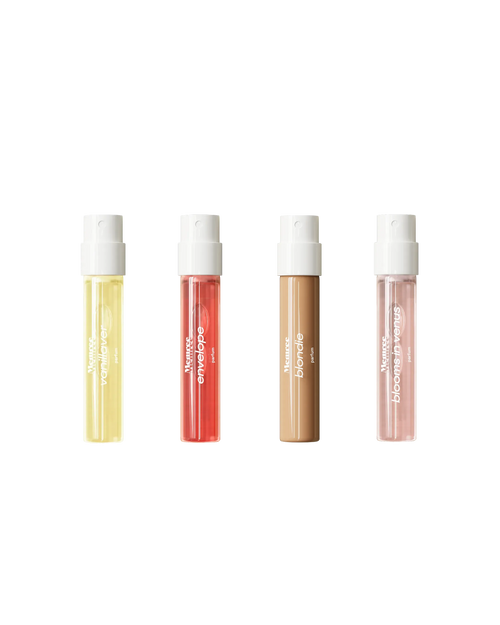
A note from Memree: we compose our parfums at extrait strength, 28 to 33 per cent perfume oil, a concentration we set individually for each scent, where it holds its depth and carries through the day. The honest way to know a fragrance is a day on your own skin. It's why every Memree journey starts with a discovery set: four scents, worn properly, before you commit to a bottle.
A few common questions
Why do smells trigger memories more than sights or sounds?
Because smell takes a shorter route into the brain. Sight and sound are relayed through the thalamus first, while smell signals travel from the olfactory bulb straight to the amygdala and hippocampus, the structures that handle emotion and memory. The memory is filed with its feeling already attached.
What is the Proust effect?
It is the name given to the sudden, involuntary recollection triggered by a smell or taste, after the scene in Marcel Proust's novel in which a madeleine dipped in tea returns an entire childhood. Scientists use the term for the same phenomenon: odour memories that arrive unbidden, vividly and with unusual emotional force.
Why are scent memories so often from childhood?
Childhood is when most smells are encountered for the first time, and first encounters are filed with the most care. Memories cued by odours tend to come from earlier in life than memories cued by words or images, which cluster in adolescence and early adulthood.
Can a perfume be designed to trigger a specific memory?
No. Scent associations are learned individually, so no note carries a memory within it. What a fragrance can do is form a new association: worn consistently through a particular period, it attaches itself to that period and returns it later.
Why can I recognise a smell but not name it?
The olfactory system is closely wired to emotion and memory but only loosely connected to language, so recognition arrives long before the word does. Psychologists call this the tip of the nose state. Describing scent accurately is a learned skill rather than an instinct.