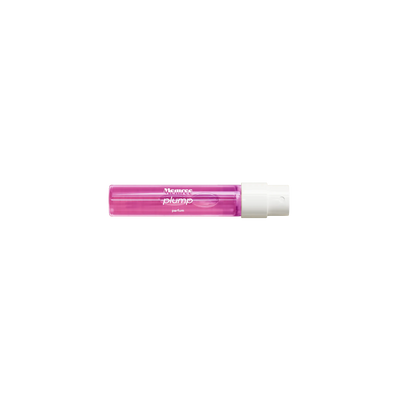
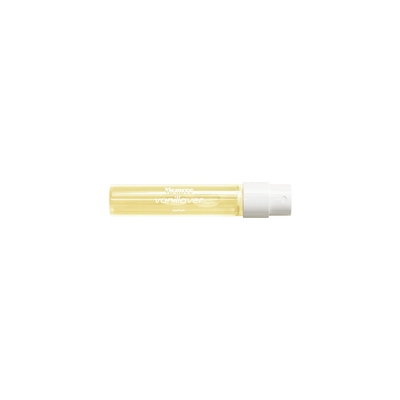
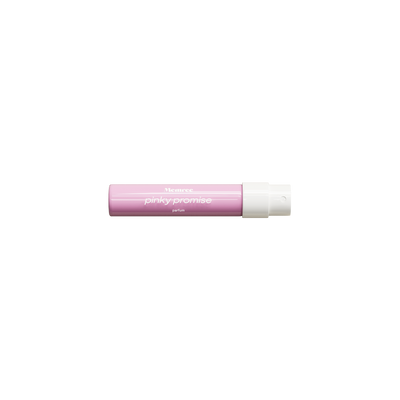
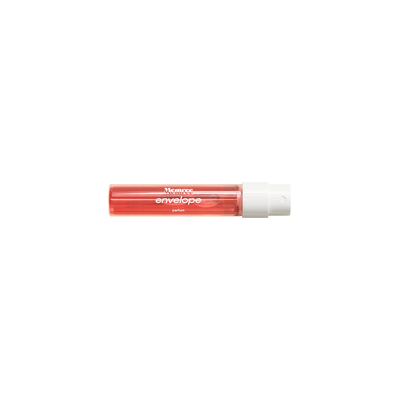


Two perfumes, sprayed at the same hour of the same morning. By lunchtime one has vanished. The other is still quietly present at midnight, and faintly there on a scarf a week later. If you've ever found yourself asking why doesn't my perfume last? the answer is rarely luck. It is architecture: decisions made months before the bottle was filled, about what the fragrance holds and how it is built to spend itself.
A perfume is built in time, not just in scent
Every composition is a pyramid with three storeys, each evaporating at its own speed, a structure we go into fully in Understanding Perfume Notes. The top notes are small, volatile molecules such as citrus, light fruits and aromatic sparkle, and they lift off the skin quickly. They are the fragrance's greeting, and they are largely gone within the first hour. The heart arrives as they leave: florals, spices, softer fruits, unfolding across the next several hours and carrying most of what we'd recognise as the perfume's character. Beneath both sit the base notes: woods, resins, ambers, musks and vanilla, heavy molecules that bind to skin and release slowly, sometimes for a day or more.
At a glance
- Top notes — gone in roughly 15 to 60 minutes
- Heart notes — unfold over the next 2 to 4 hours
- Base notes — the longest stretch, often 6 hours or more, sometimes into the next day
Extrait de parfum carries the most concentrate of any strength, 20 to 40 per cent, which is why it tends to sit at the long end of every range above.
This is why the scent you fell for in the first five minutes seems to change, and why that isn't a flaw. A well-made perfume is designed to be a journey rather than a snapshot: the opening you loved was never meant to stay, only to introduce what follows. Often, when we say a perfume "didn't last," what really happened is that the top notes didn't last. No top note ever does. The truer measure of longevity is what's still with you at dinner: the base, doing exactly what it was built for.

Concentration is where longevity begins
Fragrances are graded by how much perfume concentrate they carry against their alcohol base: an eau de toilette might hold five to fifteen per cent, an eau de parfum fifteen to twenty, an extrait de parfum twenty to forty, a scale Fragrance Concentrations Explained covers in full. The difference is felt in hours. More concentrate means more aromatic material releasing across the day. It's why extraits are the richest tier of fine fragrance, why they wear closer, deeper and longer, and why serious perfume has always been made at serious strength.
One detail worth knowing as you compare: the percentage describes the concentrate's share of the bottle, and "perfume oil" is not a regulated term. So the craft lies not only in how much concentrate a house uses, but in how richly that concentrate itself is composed. Concentration sets the ceiling; composition decides how close a fragrance gets to it. The best perfumes are generous in both.
The materials decide how the hours feel
What that concentrate is built from matters as much as how much of it there is. Some materials are natural fixatives: sandalwood, labdanum, benzoin, rich ambers, musks. These are dense, slow-evaporating substances that anchor a composition and slow the departure of everything lighter around them. Others are engineered to vanish beautifully: the brilliance of a citrus opening is inseparable from its brevity. A composition weighted toward fixative depth will always outlast one built for sparkle, whatever the percentages say. This is the perfumer's real craft: not making a scent last at all costs, but deciding which parts should last, and letting the rest go gracefully.
Naturals, synthetics, and the longevity a perfume chooses
It's tempting to read staying power as a simple scorecard: the longer, the better. Perfumery is subtler than that. Natural materials are living, complex things: a true rose absolute or a cold-pressed citrus carries dozens of facets a laboratory struggles to fully recreate, and some of the most beautiful of them are inherently fleeting. A composition built to showcase them may be deliberately soft-spoken: a few radiant hours, exactly as its perfumer intended. That is not a fragrance failing; it is a fragrance keeping its promise.
Synthetics, meanwhile, deserve far better than their reputation. Modern perfumery's most prized materials include molecules made in laboratories: ambers that glow for a day, musks of extraordinary softness, woods with a persistence nature never offered. They are also how perfumers protect what nature cannot spare, since no sandalwood forest or animal is harmed for a molecule. Nearly every great fragrance of the last century is a blend of both worlds: naturals for their soul, synthetics for their strength and structure, a balance Naturals, Isolates, and Modern Molecules looks at more closely. Every house sets that balance differently, sometimes differently within a single collection. The question worth asking of a perfume is never "is it natural or synthetic?" but "is it composed with intention?" Whether its hours are few and exquisite or long and unshakeable, the mark of quality is that the perfumer chose them.

And then there is you
No two people wear the same perfume identically, a subject Skin Chemistry and Scent explores in full. Skin temperature, natural oils, hydration, even diet shape how fast a composition burns through its storeys. Warm, well-moisturised skin projects more and holds longer; dry skin lets a scent slip away sooner. It's why a fragrance that disappears on your wrist can last all day on a friend, and why the only test that has ever mattered is a full day on your own skin. A perfume, in the end, is a duet. The composition supplies the notes, and your skin decides the tempo.

Sometimes the perfume outlasts your nose
There is one more possibility, and it is the most reassuring of all: the perfume is still there. You have simply stopped noticing it. The nose is built to detect change, not constancy. Present it with the same signal for long enough and the brain quietly files it as background, the way you stop hearing a ticking clock. Perfumers call it olfactory fatigue; it can set in within hours of wearing a scent, and it deepens with a fragrance you wear daily, which is why your signature seems to vanish on you by mid-morning while everyone you hug insists you smell wonderful. They are right. You are simply the one person in the room who can no longer hear it.
The test is easy: before reaching to respray, step outside for a few minutes of fresh air, or simply ask someone. More often than not, the perfume kept its promise; your nose just moved on. Knowing this is also the kindest way to avoid the quiet arms race of over-spraying, where a scent you can no longer smell becomes one the rest of the room can smell rather too well.
Helping a perfume last: the craft on your side
Some of longevity belongs to the perfumer; some of it has always belonged to the wearer. Fragrance clings to lipids, so the single most effective habit is the simplest: well-moisturised skin. An unscented balm or cream, smoothed on before you spray, can double a scent's stay. Where you place it matters too, and it is a trade: warm pulse points such as the wrists, neck and chest bloom beautifully and project, but warmth also burns through the storeys faster. Hair and fabric hold a scent far longer but never develop it, keeping mostly its opening. That's the reason a scarf can still whisper a perfume weeks after the wrist has forgotten it. Wearing it both ways gives a fragrance its fullest life.
And one piece of folklore worth retiring gently: rubbing your wrists together doesn't "crush" a perfume's molecules, as the old warning goes. The friction and warmth do, however, hurry its brightest notes toward the exit. Spray, and let it settle undisturbed. A perfume, like most fine things, rewards being left alone.
Choosing a perfume you'll still love at dinner
All of this changes how a perfume is best chosen. A fragrance counter can only ever tell you the beginning of the story: ten scents sprayed in as many minutes is ten openings, the brightest and most fleeting storey of each, sampled by a nose that fatigued somewhere around the third. The heart that arrives at hour two, the base that decides whether you'll love it at midnight, the way it settles into your own skin rather than a paper blotter: none of that can happen in a shop.
Those who know fragrance well tend to choose it slowly for exactly this reason: a scent worn for a full day, through warmth and weather and the company of its own drydown, before any decision is made. A perfume tells you half its story in the first five minutes and the truth by evening. The ones worth owning are the ones still speaking to you at the end of the day.
Why any of this matters
There is something quietly moving about a scent that outlasts the moment it was worn for: a trace on a collar, a room that remembers who was in it, a stranger on a train wearing the exact evening of ten years ago. Longevity, in the end, is not really a technical measure of hours. It is what allows a fragrance to slip from being part of an outfit into being part of a memory. That is, and has always been, the point of perfume.
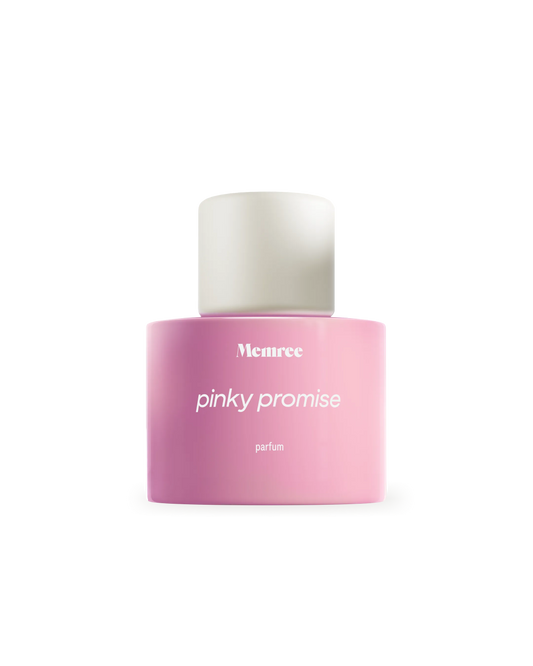
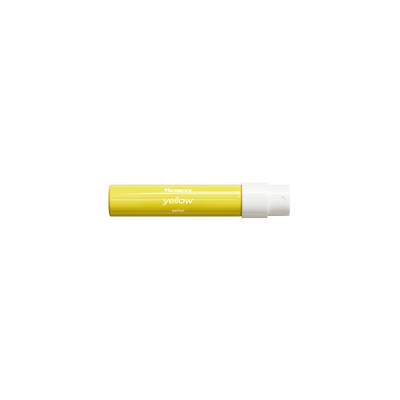
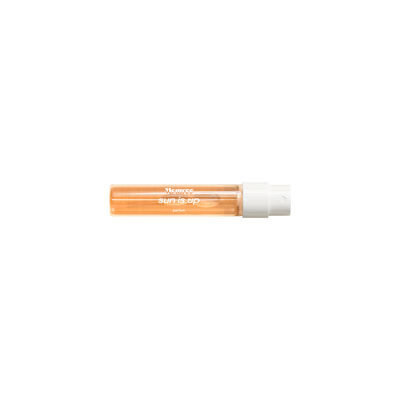
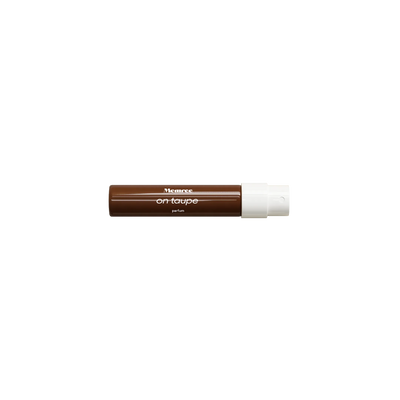
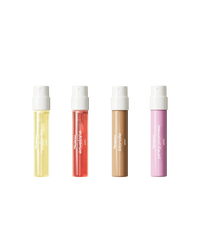
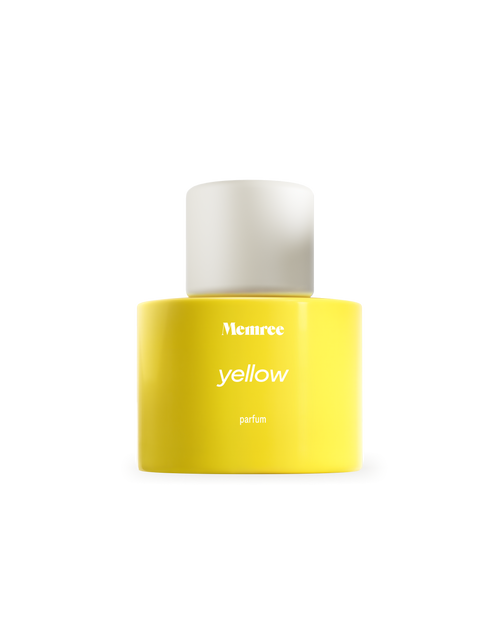
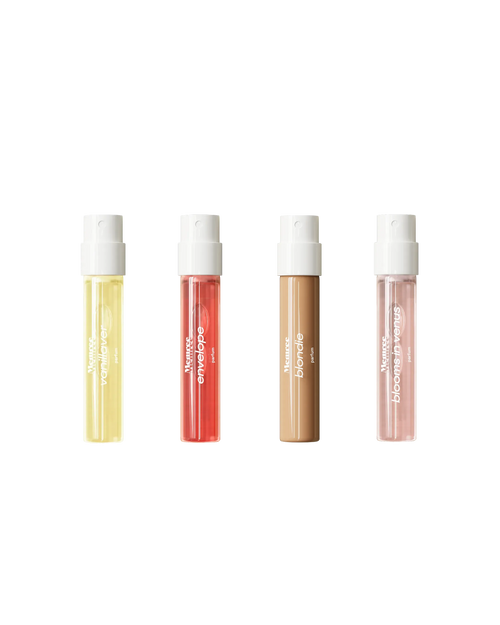
A note from Memree: we compose our parfums at extrait strength, 28 to 33 per cent perfume oil, a concentration we set individually for each scent, where it holds its depth and carries through the day. The honest way to know a fragrance is a day on your own skin. It's why every Memree journey starts with a discovery set: four scents, worn properly, before you commit to a bottle.
A few common questions
How long does perfume usually last?
Most fragrances last anywhere from a few hours to a full day, depending on their concentration and composition. An extrait de parfum, with its higher concentration of perfume oil, tends to sit at the longer end of that range.
What makes a fragrance last longer on skin?
Two things mainly: how much perfume oil it contains, and which ingredients that oil is built from. Warm, heavier materials like woods, resins and musk tend to hold far longer than lighter, brighter ones, and skin itself plays a part too. Read more on skin chemistry and scent.
Does concentration affect how long a perfume lasts?
Yes. Concentration describes how much perfume oil is blended into a fragrance, and it is one of the clearest indicators of how long it will stay with you. Extrait de parfum carries the most oil of the traditional strengths. Read more on how concentration shapes longevity.
Why do some perfumes fade faster than others?
It usually comes down to composition. Fragrances built mainly around citrus or green notes are designed to lift quickly, while those anchored in deeper, warmer materials are built to unfold slowly across the day. Naturals, Isolates, and Modern Molecules explains more about how those materials are chosen.